Binance Chain Exchange Review: Features, Security, and User Experience in 2025
Binance Chain, often referred to as Binance Smart Chain (BSC) or simply the Binance ecosystem, represents one of the most significant infrastructures in decentralized finance (DeFi). However, when users ask "How is the Binance Chain exchange?", they are typically referring to either the Binance centralized exchange (CEX) or the decentralized exchange (DEX) built on this blockchain. This review breaks down both aspects to provide a clear, SEO-optimized overview.
First, the centralized Binance exchange (Binance.com) is globally recognized for its high liquidity, extensive asset listing, and advanced trading tools. It supports spot trading, futures, margin, and staking. For users concerned with security, Binance employs a Secure Asset Fund for Users (SAFU) and multi-tier security architecture. However, regulatory scrutiny in certain regions has led to restrictions, so availability varies by jurisdiction. The platform is known for low trading fees and a user-friendly interface, making it suitable for both beginners and professional traders.
Second, the decentralized exchange (DEX) on Binance Chain, such as PancakeSwap, operates via automated market makers (AMMs). Unlike the centralized version, the DEX allows users to trade directly from their wallets without depositing funds on an exchange. This enhances privacy and reduces counterparty risk. The transaction speed on Binance Smart Chain is incredibly fast—often under 3 seconds—with extremely low gas fees compared to Ethereum. This has made BSC a favorite for meme coin traders and DeFi yield farmers.
One of the key advantages of the entire Binance ecosystem is its cross-chain compatibility. Through the Binance Bridge, users can transfer assets from Ethereum, Bitcoin, and other networks to BSC, leveraging lower costs. Additionally, the exchange ecosystem offers various earning mechanisms: liquidity mining, savings accounts, and launchpad pools for new projects. The native token, BNB, is central to this economy, offering fee discounts and governance rights.
On the downside, critics point to the level of centralization in Binance Chain’s consensus mechanism (Proof of Staked Authority), which uses only 21 validators. This raises concerns about network decentralization compared to Ethereum or Solana. Furthermore, the exchange has faced security incidents in the past, such as the $570 million BSC bridge hack in 2022. Despite this, the platform recovered the majority of funds and continues to improve its security protocols.
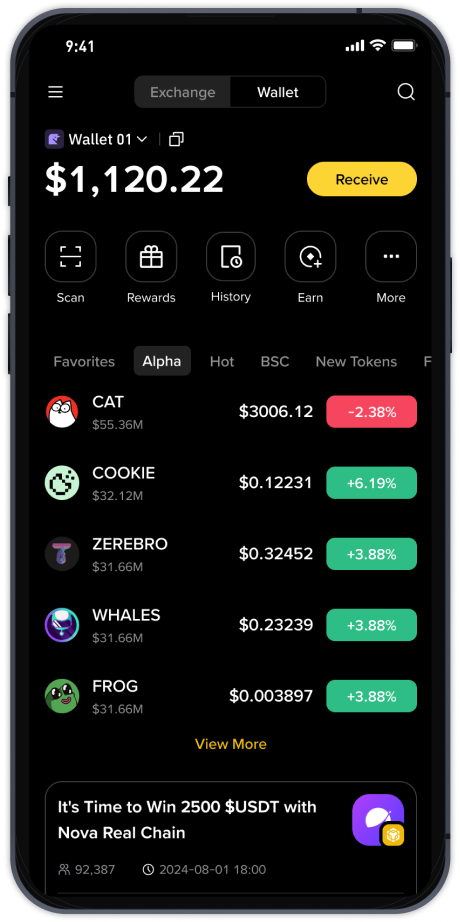
User experience is generally positive. The mobile app is rated highly for its responsiveness, while the web platform offers advanced charting with TradingView integration. For newcomers, the "Simple Earn" feature provides a straightforward way to earn interest without complex strategies. Customer support, however, has received mixed reviews, with some users reporting slow response times during high-volume periods.
In conclusion, the Binance Chain exchange ecosystem—whether centralized or decentralized—offers great value for users seeking low fees, high speed, and a vast selection of assets. It remains one of the most actively used blockchain platforms globally. However, users should remain aware of the trade-offs in decentralization and regulatory risks. For anyone asking "Is Binance Chain good?", the answer largely depends on your tolerance for centralization versus your need for speed and cost efficiency.